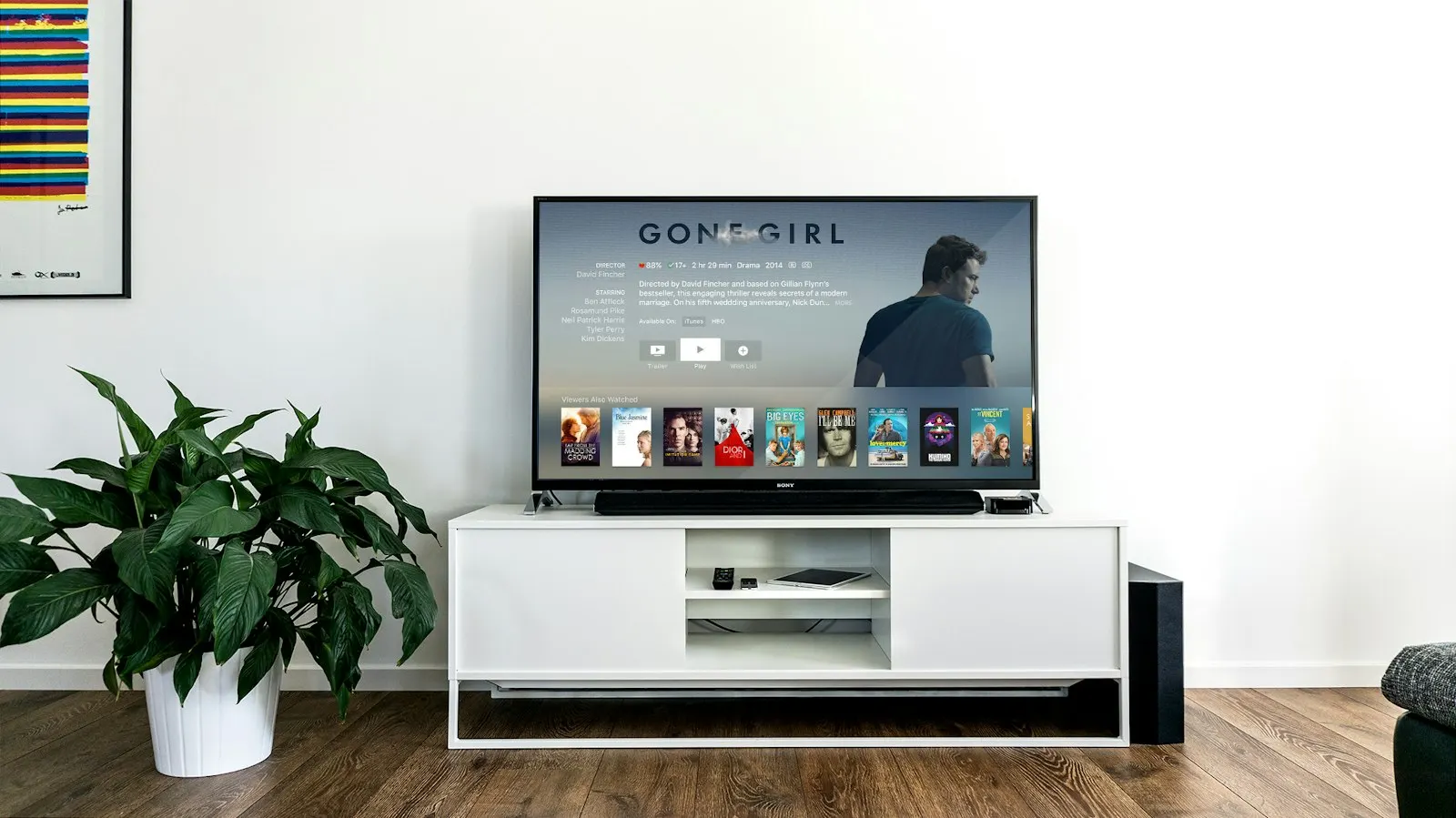
Search “tv wall mounting traralgon” and most of the first page is antenna companies and electricians. That makes sense when you need a new antenna, a new power point or a data run. But many Latrobe Valley households already have power and signal where they need it. What they need is the screen lifted off the cabinet and fixed to the wall properly, at the right height, with the cables hidden. That is handyman work, and it is one of the jobs we are asked for most.
We mount televisions in homes, rentals, units, offices, clubrooms and waiting rooms across Traralgon, Morwell, Moe, Newborough, Churchill and the smaller towns around them. Every bracket goes into structure. That means timber studs or noggings in a framed wall, or proper masonry anchors in brick and block. We never rely on plasterboard alone.
Why getting the fixing right matters
A modern 65-inch screen is lighter than an old plasma, but a full-motion arm turns that weight into leverage. Pull the screen out half a metre, swing it towards the kitchen, and the top screws of the wall plate are being levered out of the wall. Toggles in plaster can hold that for a while. They will not hold it for years of kids grabbing the corner, or a cleaner wiping the frame.
So the first thing we do on any TV job is find out what is behind the wall. In Latrobe Valley homes that varies more than people expect:
- Post-war weatherboard and fibro homes in Morwell, Moe, Newborough and Yallourn North usually have hardwood studs. They are hard and strong, but often not at the spacing modern brackets assume. Sometimes they have been patched with lath-and-plaster or a mix of linings.
- Brick veneer homes from the 1970s to the 1990s, common through Traralgon, Churchill and Morwell’s newer streets, have timber-framed internal walls lined with plasterboard. External walls are framed on the inside with a brick skin outside.
- Newer estate homes in Traralgon’s north and east, and around Churchill, use pine stud frames at regular centres. That is good news, but they also have thinner plasterboard that dents easily.
- Double brick and blockwork turns up in some older houses, shops and clubrooms. Here we fix with masonry anchors sized to the load.
We use a stud finder, a test drill hole where needed, and plain experience to find fixing points. If the studs are not where the TV needs to be, we have options. We can fit a horizontal timber or steel mounting rail across two studs, use a bracket with a wider wall plate, or add a nogging behind the plaster and patch the access hole.
Choosing a bracket
We can supply a bracket or fit the one you have bought. The three common types each suit different rooms.
Fixed (flat) brackets
These sit the TV a few centimetres off the wall, like a picture. They suit a room where you watch straight on, at eye level. They are the simplest and strongest option and look the neatest, but you need to plan for access to the ports on the back of the TV.
Tilting brackets
These let the screen angle down a little. They are useful when the TV has to go higher than ideal, such as above a fireplace, a tall cabinet or in a bedroom where you watch from the bed. A tilt also cuts glare from windows, which matters in north-facing lounges on bright winter mornings.
Full-motion (articulating) brackets
These pull out, swing and tilt. They suit open-plan rooms where the TV is watched from the couch and from the kitchen bench, and corner positions. They need the strongest fixing of the three, and the arms add depth even when folded flat.
We will look at the room, where people sit, where the windows are and what is behind the wall, then recommend the type that will work best. If the bracket you bought does not suit the wall or the screen, we will say so before anything is drilled.
Getting the height right
The most common complaint about wall-mounted TVs is that they end up too high. That gives you a sore neck after a long movie or a whole AFL match.
As a guide, the centre of the screen should sit roughly at seated eye level, often around a metre to 1.1 metres from the floor in a typical lounge. Above a fireplace or heater flue the TV will naturally sit higher, so a tilting bracket helps there. We also check the manufacturer’s clearance advice for heat sources. Wood heaters are common in the Valley, and their instructions usually specify clearances to combustible items. We will not mount a TV where heat could damage it.
Before drilling we mark the screen outline on the wall with painter’s tape. You can sit on the couch, look at it and move it up, down or sideways until it feels right.
Hiding the cables
A floating TV with a tangle of HDMI and power cords hanging below it looks unfinished. We have a few ways to tidy them:
- Surface cable covers are paintable plastic channels that run from the TV down to the cabinet. They are quick, tidy, reversible and ideal for rentals.
- In-wall cable kits are rated pass-through plates fitted top and bottom, with cables run inside the wall cavity. These suit framed walls where there is no noggin in the way.
- Recessed TV boxes suit some installs where the plugs need to sit flush behind the screen.
One important point: cables carrying 240-volt mains power must not simply be run through a wall cavity and plugged in behind the TV. If you want a power point moved up behind the screen, a licensed electrician has to install it. We can work with your electrician, or with one you nominate, so the power point goes in first and we mount the TV afterwards. Low-voltage HDMI, antenna and data leads can go inside the wall through the right plates.
Soundbars, shelves and set-top boxes
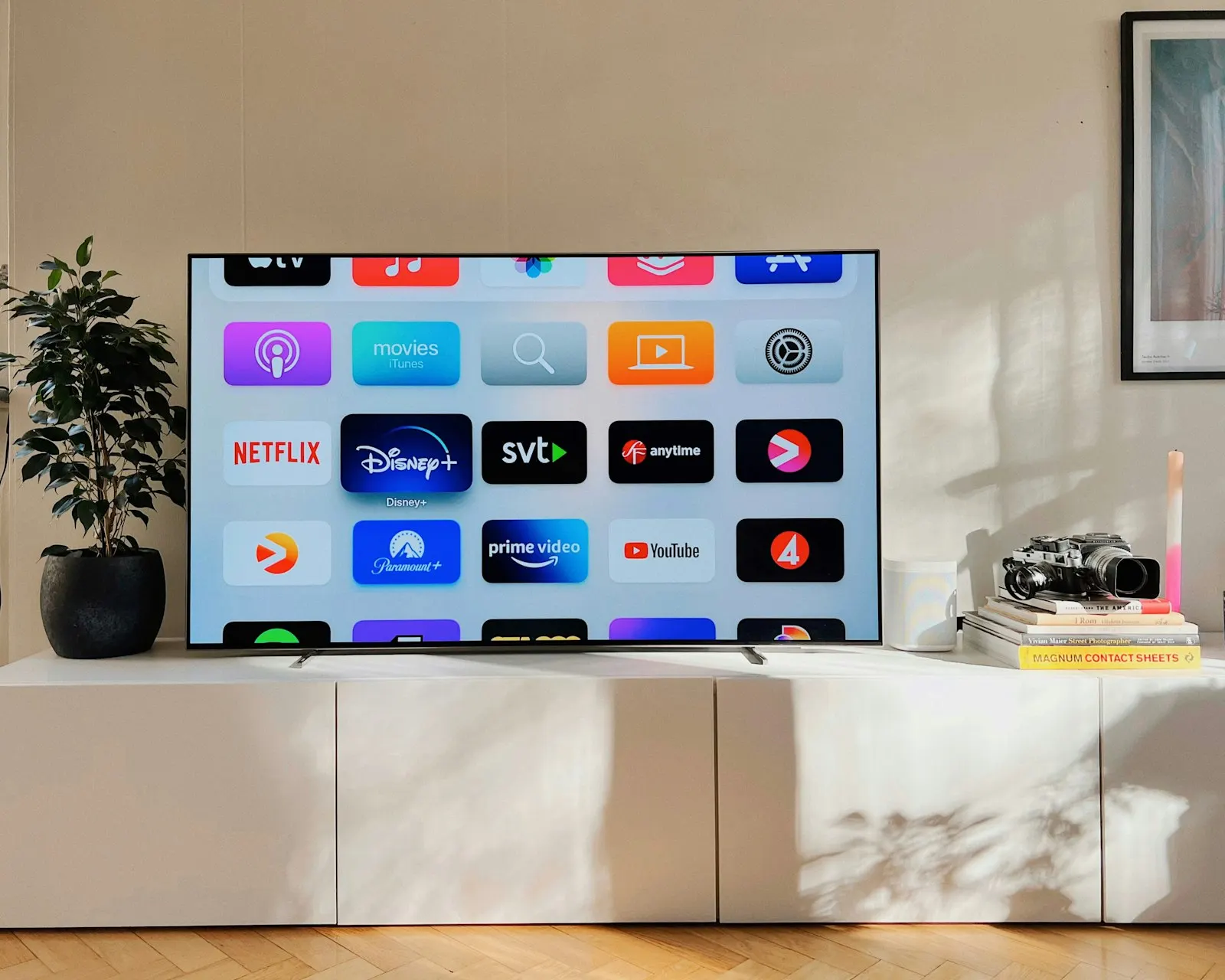
Most TV jobs come with extras. We can mount a soundbar on its own bracket directly below the screen, or fit it to the TV bracket if the bracket supports that. We can fix a floating shelf for a Foxtel box, gaming console or streaming device, with a cable cover running from shelf to screen. We can also mount speakers, a small wall cabinet, or a bracket for a projector screen.
We regularly fit TVs and screens for:
- Bedrooms and teenagers’ rooms where floor space is tight
- Granny flats, units and townhouses
- Rumpus rooms and sheds turned into man caves
- Outdoor alfresco areas, using brackets and screens rated for outdoor use
- Offices, meeting rooms and reception areas
- Sporting clubs, community halls and waiting rooms that need lockable or anti-theft brackets
Mounting on different wall types
Plasterboard over timber studs
This is the most common wall. We fix into at least two studs wherever the bracket allows, using screws or coach screws of the right gauge and length. For wide brackets where only one stud lines up, we use a mounting rail.
Brick and block
We drill with the correct masonry bit, set anchors into solid brick rather than mortar joints wherever possible, and size the fixings to the bracket and screen weight. On rendered walls we check the render is sound first.
Lath and plaster
These walls appear in some of the older Moe and Morwell homes. The plaster can be fragile and crumble around a drill, so we locate the studs behind it, drill carefully and sometimes add a timber backing board.
Feature walls, timber panelling and stone cladding
We can mount onto these surfaces too, but we look at what the panelling or cladding is fixed to and take extra care with the finish.
Moving or removing a TV
We also take TVs down. That covers end-of-lease moves, renovations, and swapping an old bracket for a new one. When a bracket comes off, we patch and sand the holes so the wall is ready for painting. If the wall needs paint as well, see our painting and touch-ups service.
Rentals and landlord consent
In Victoria, renters can make some minor modifications without the rental provider’s consent. Fixing a wall anchor for furniture or a TV may need notice, consent, or restoring the wall at the end of the tenancy, depending on the wall and the type of property. Check the current rules on the Consumer Affairs Victoria website and talk to your agent before booking a TV install in a rental. We are happy to send a short written description of the work for your agent to approve.
What to have ready
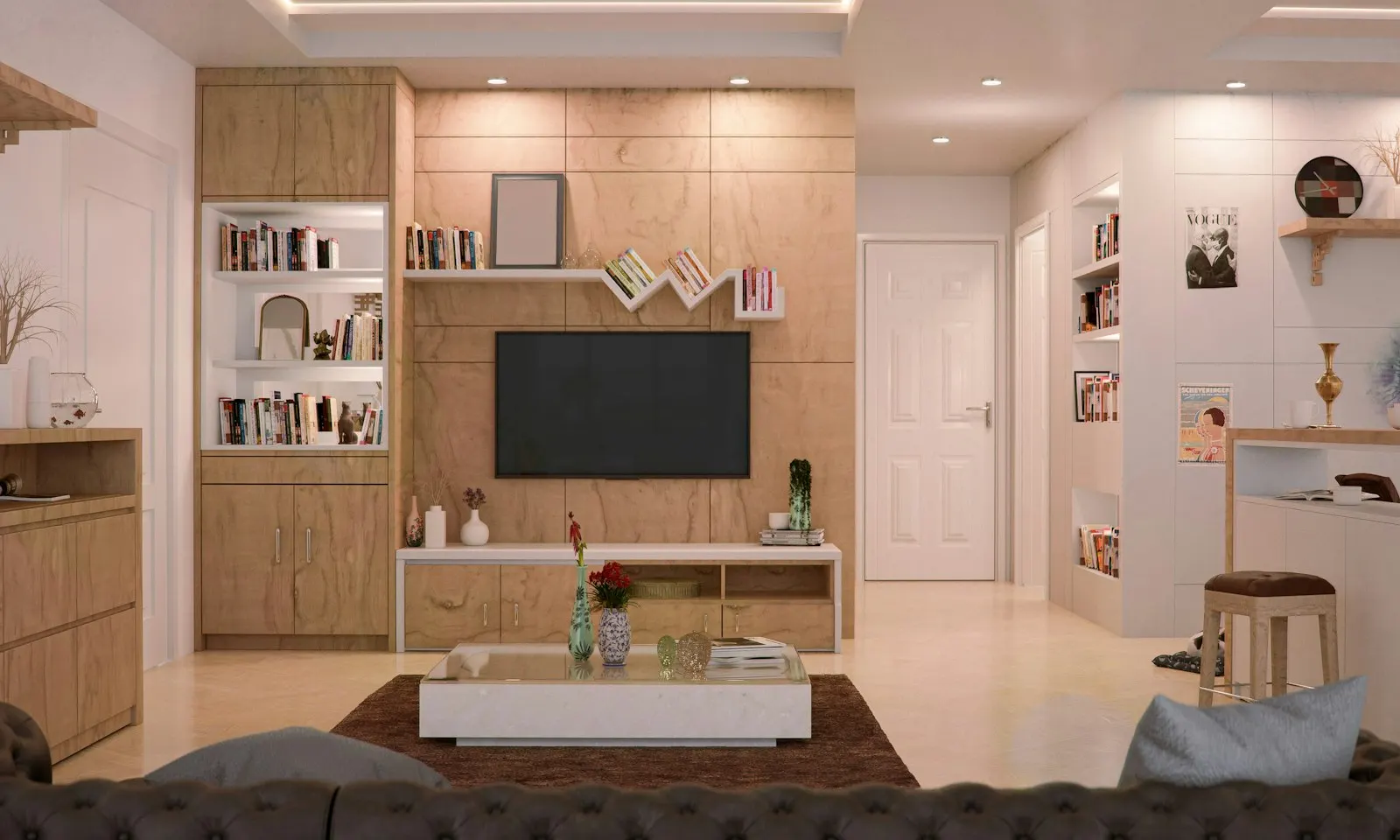
To help us quote and finish in one visit, it is useful to know:
- The TV’s make, model and screen size, or its weight and VESA pattern (the bolt pattern on the back)
- The bracket, if you have bought one
- A photo of the wall, plus a note of what is on the other side if you know
- Where your power point and antenna point are now
- Whether you want a soundbar, shelf or cable cover
Send these through the quote form and we will reply by email with a clear scope.
Our approach on every TV install
- We check the wall and the fixing points before drilling.
- We use drop sheets and a vacuum attachment so dust does not end up in the carpet.
- We level the bracket with a spirit level, not by eye.
- Two people lift large screens onto the bracket. We do not balance a 75-inch TV on a knee.
- We test that the screen is locked to the bracket, check any tilt or swing for smooth movement, and confirm nothing is straining the cables.
- We take the packaging away if you want, and leave the room as we found it.
Areas we cover for TV mounting
We mount TVs in Traralgon, Morwell, Moe, Newborough, Churchill, Yallourn North, Glengarry, Tyers, Traralgon South and Hazelwood North. TV mounting often goes well with picture and shelf hanging and flat-pack assembly in the same visit.
Frequently asked questions
Can you mount a TV on plasterboard without studs?
We do not rely on plasterboard alone for a TV. We locate studs or noggings, or install a mounting rail or timber backing so the bracket is fixed into the frame.
Do you supply the bracket?
We can supply a suitable fixed, tilting or full-motion bracket, or install one you already have, provided it is rated for your screen.
Can you hide the power cable in the wall?
Low-voltage leads such as HDMI can be run inside the wall through rated plates. A new or relocated power point behind the TV must be installed by a licensed electrician, and we can work around their visit.
Can you mount a TV above a fireplace or wood heater?
Sometimes. We check the heater manufacturer’s clearance requirements and the TV maker’s heat limits first. Often a tilting bracket and a slightly different position work best.
Do you mount TVs on brick walls?
Yes. We use masonry anchors sized to the bracket and the weight of the screen, set into solid brick rather than mortar joints wherever possible.
Do you remove old brackets and patch the wall?
Yes. We remove brackets, fill and sand the holes, and can paint the patched area if you want.
Get a free quote
Send us your list of jobs, your suburb and a few photos. We will reply with a clear written scope and a free, no-obligation quote.
Get a free quote