Hanging a picture sounds simple until the hook pulls out, the mirror tilts or the drill hits something it shouldn’t. Latrobe Valley homes have a wide range of wall types, from 1950s and 1960s SEC houses with old plaster and fibro, to brick veneers and new plasterboard homes in Traralgon’s estates. Choosing the right fixing for the wall and the load is the key to a secure result.
Know your wall
Plasterboard on timber or steel studs: The most common wall in homes built since the 1970s. Hollow between the studs. Studs are usually 450mm or 600mm apart.
Older plaster and fibre-cement: Older homes may have hard plaster or fibrous plaster sheets. Some walls, eaves and wet areas in homes built before the late 1980s contain asbestos. Don’t drill into materials you’re unsure about; get them tested.
Brick and block: Solid walls in double-brick homes or the inside face of brick feature walls. Need masonry bits and plugs or anchors.
Timber linings: Some older homes and extensions have timber boards. Easy to fix to, but check for hidden wiring.
Find the studs
For anything heavy, fix into studs where possible. A stud finder helps, as does tapping (a solid sound) and looking for screw dots in the plaster. Studs are normally beside door and window frames and at regular spacings from corners.
Choose the right fixing
- Light pictures (under 5kg): Picture hooks with angled nails, or adhesive hooks rated for the weight.
- Medium mirrors and artwork (5–20kg): Plasterboard anchors rated for the load, or screws into studs.
- Shelves: Screws into studs, or heavy-duty hollow-wall anchors for light loads. Remember that shelves carry their contents, not just their own weight.
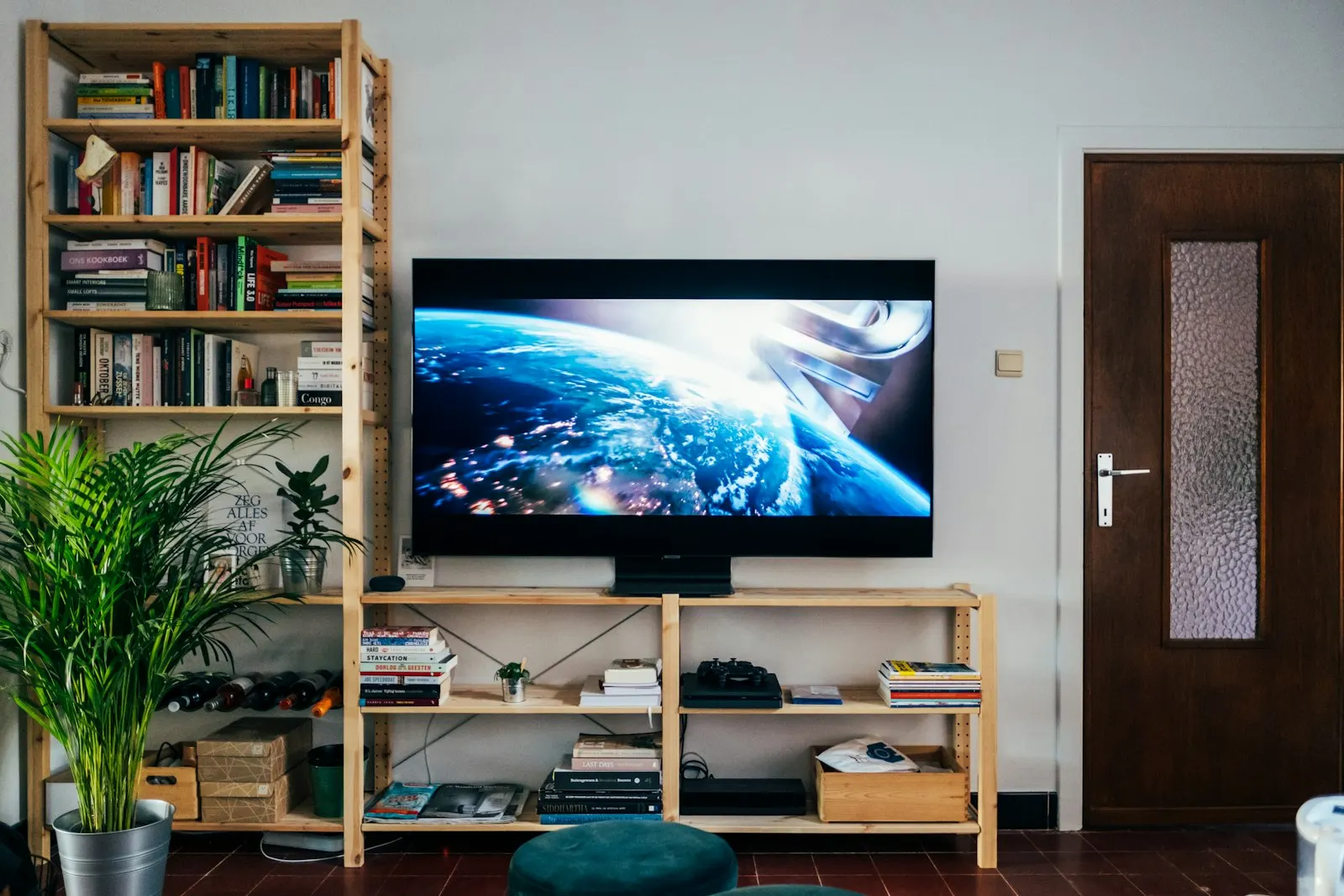
- TVs: Always into studs or solid masonry, with a bracket rated for the TV. Never rely on plasterboard alone.
- Grab rails: Must be fixed into studs, noggins or masonry. A rail that pulls out is dangerous.
Avoid hidden services
Electrical cables often run vertically above and below switches and power points, and horizontally at certain heights. Water pipes run to taps and appliances. Use a detector, avoid drilling directly above or below outlets, and if you’re unsure, ask a professional.
Measure twice
Use a level and pencil marks. For groups of frames, lay them out on the floor first or use paper templates on the wall. Hang artwork so the centre sits at about eye level, roughly 1.5 metres from the floor.
When to call a handyman
For heavy mirrors, large TVs, floating shelves, grab rails, or walls you’re unsure about, it’s worth getting help. We carry stud finders, the right fixings and a range of drill bits, and we’ll tell you if a wall isn’t suitable. See picture and shelf hanging and TV wall mounting.
*General information only. Electrical work must be done by a licensed electrician; suspected asbestos must be tested and handled by licensed professionals.*
Get a free quote
Send us your list of jobs, your suburb and a few photos. We will reply with a clear written scope and a free, no-obligation quote.
Get a free quote