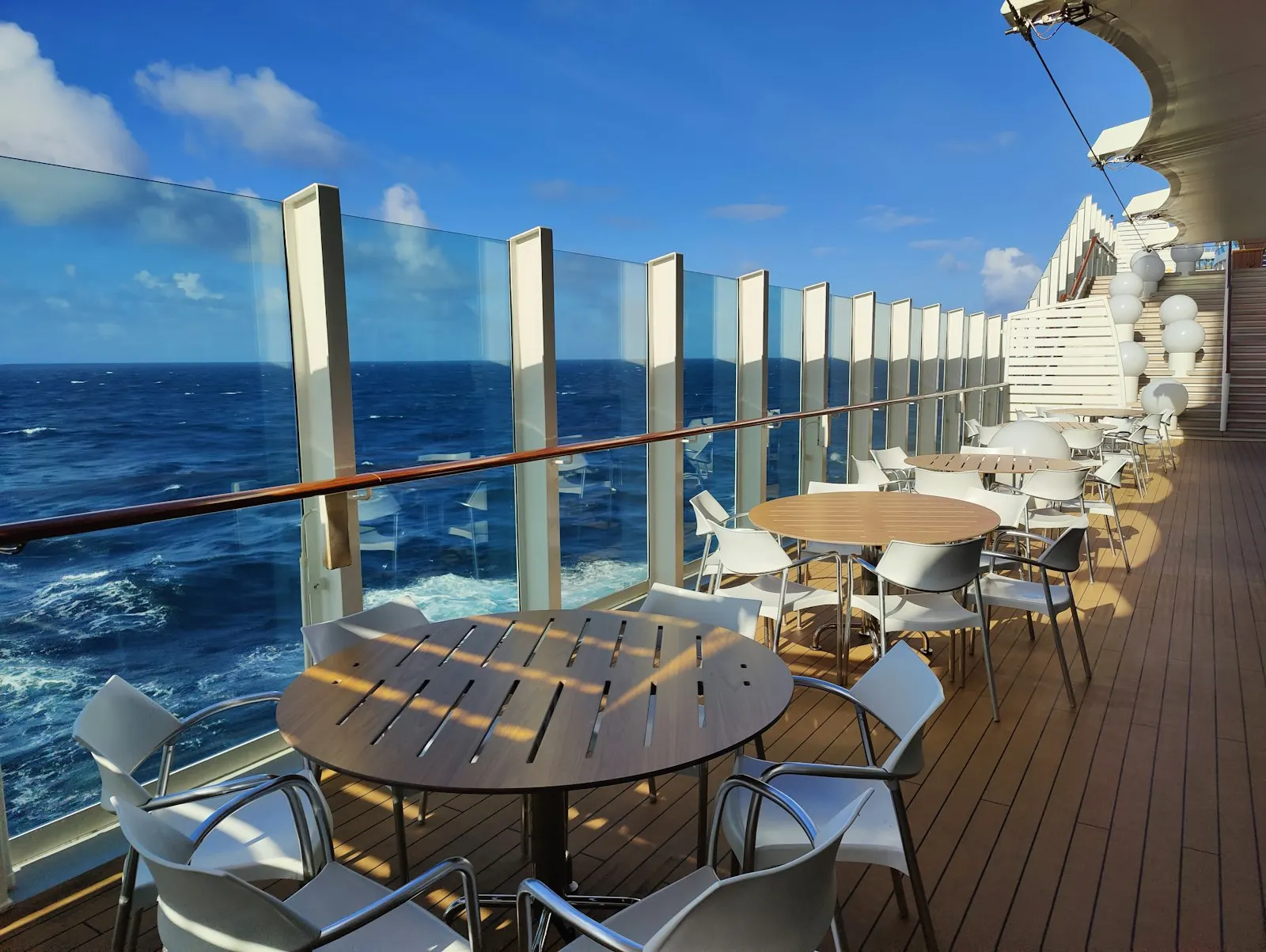
A timber deck is one of the best spaces in a Latrobe Valley home on a mild evening, but it lives outside all year. Winter rain soaks the boards, fog and shade keep them damp for weeks at a time, and summer sun bakes and splits them. Over a few years that cycle loosens fixings, cups and splits boards, greys the surface and, where water sits, starts rot in the boards and the frame underneath. Left alone, a deck becomes slippery and eventually unsafe.
We repair, restore and maintain timber decks, steps, balustrades and pergolas for homes and rentals across Traralgon, Morwell, Moe, Newborough, Churchill and the surrounding district. We can replace a few boards, fix a dangerous step, or bring a tired deck back with a full clean, repair and oil.
Common deck problems
Rotten or soft boards
Boards rot where water sits. That is usually at board ends, around pot plants, under outdoor furniture that is never moved, and in shaded corners that never dry out. A soft spot that gives underfoot needs replacing before someone’s foot goes through it. We remove the damaged boards, check the joists underneath, and replace them with matching timber.
Popped nails and loose boards
Nailed decks loosen as the timber swells and shrinks with the seasons, and nails slowly work their way up. They catch bare feet and the boards start to rock. We re-fix loose boards with decking screws, which hold much better than nails, and punch down or remove popped nails.
Cupping, splitting and splinters
Boards that have dried out unevenly cup (curl at the edges) or split along the grain. Badly cupped or split boards are replaced. Light cupping and roughness can often be improved with a sand before oiling.
Wobbly steps
Steps take the heaviest use and often fail first. Stringers rot at the ground, treads loosen and split, and the whole flight can move when someone walks down it. We replace treads, re-fix or replace stringers, add a concrete pad or a durable base where the stringers meet the ground, and add a handrail where one is needed.
Loose balustrades and handrails
A loose balustrade is a serious fall risk, especially on decks more than a metre off the ground. We re-fix posts with coach bolts or new brackets, replace broken balusters and rails, and tighten wire balustrade systems. Where a balustrade is well below current safety heights or has gaps a small child could climb through, we can talk about bringing it up to a safer standard. That may involve a builder and a permit for elevated decks.
Frame problems
Underneath the boards, joists and bearers can rot where they sit on stumps or against the house, especially if there is no gap for water to drain. We check what we can see when boards are lifted and from beneath the deck where there is access. Minor joist repairs can be handled by sistering a new joist alongside the old one. Major frame failure, sinking stumps or a deck pulling away from the house needs a builder, and we will tell you if that is what we find.
Cleaning and oiling
Oil protects timber from moisture and UV, slows greying and cracking, and makes a deck look rich and warm again. Our process:
1. Inspect and repair loose and damaged boards first.
2. Clean with a suitable deck cleaner to remove grime, mould, mildew and the grey oxidised surface. We use a low-pressure wash, because blasting timber at high pressure raises the grain and damages the boards.
3. Let it dry. Oil needs dry timber, so we check the weather and the moisture content. In the Latrobe Valley that often means waiting for a dry run in spring or early autumn.
4. Sand rough or cupped areas if needed.
5. Oil with a penetrating decking oil, either a natural tone or a tinted colour, applied evenly along the length of the boards.
6. Second coat, if the product and timber call for it.
How often to oil depends on exposure. A deck in full afternoon sun or on an exposed acreage block in Glengarry or Hazelwood North might need oiling every year. A shaded, covered deck might go two or three years. The rule of thumb is that when water stops beading on the surface and soaks straight in, it is time.
Pergola repairs
Timber pergolas suffer similar problems: posts rot at the base, rafters sag, joints loosen and polycarbonate or shade sail fixings fail. We:
- Replace rotten post bases with galvanised stirrups set into concrete
- Replace or sister sagging rafters and battens
- Tighten or replace bolts and brackets
- Replace damaged polycarbonate roofing sheets on low pergolas (larger roof sheets at height are roofer territory)
- Fix shade sail fixing points to existing posts or the house frame
- Clean and oil or paint pergola timbers
If a pergola is structurally unsound, such as leaning heavily or with failed posts, we prop it safely and recommend a builder for a rebuild.
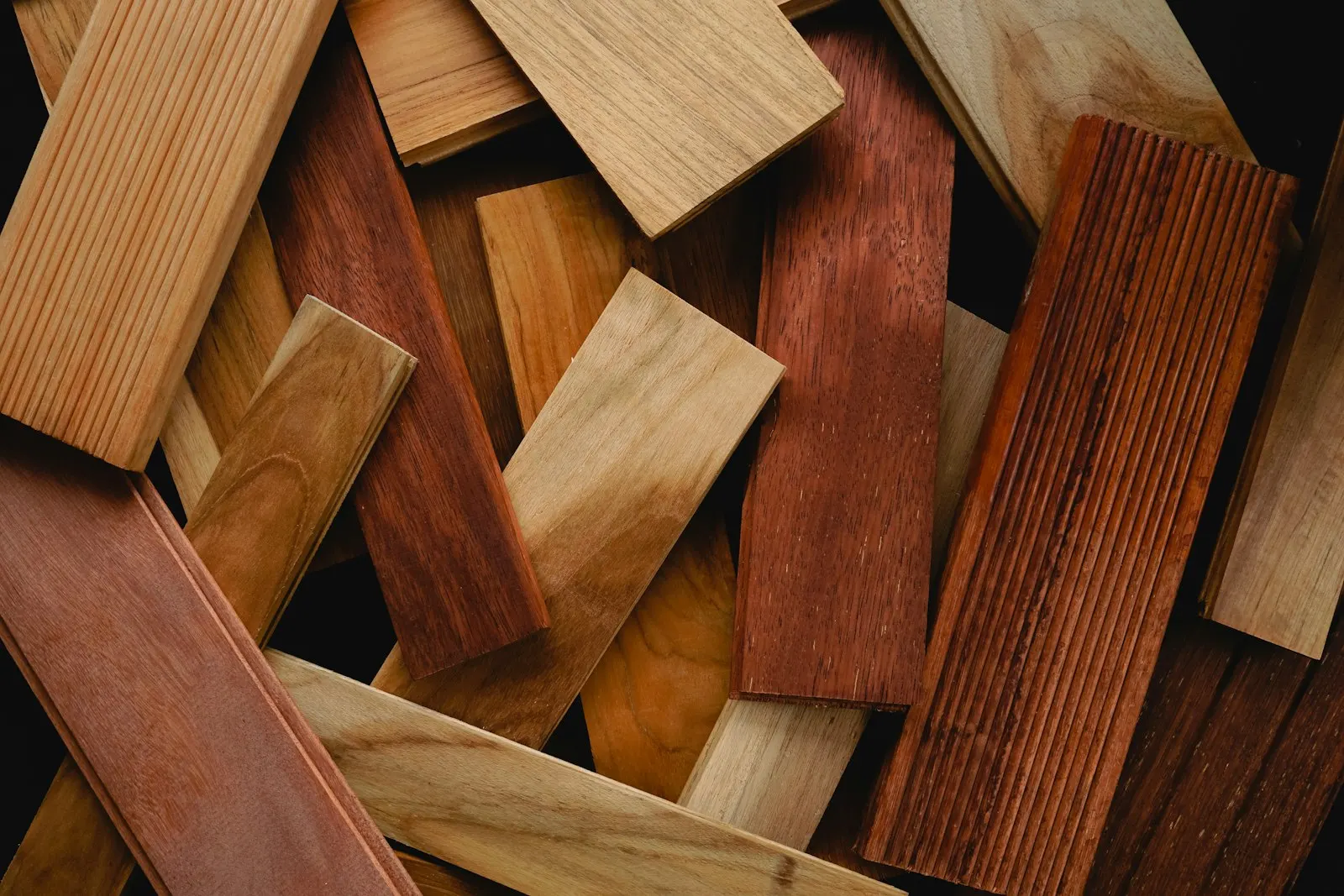
Choosing replacement boards
We match the existing decking as closely as we can:
- Treated pine is the most common and cost-effective option and takes oil and stain well.
- Merbau gives a rich red-brown colour. Be aware that its tannins can bleed and stain paving and render when it is new.
- Spotted gum, blackbutt and other Australian hardwoods are very durable and fire-resistant species are available for bushfire-prone areas.
- Composite decking needs little maintenance but repairs must use the same brand and colour range.
New boards will look different to the existing ones until they weather or are oiled together. Oiling the whole deck after repairs is the best way to blend old and new.
Decks in bushfire-prone areas
Parts of the Latrobe area, especially rural-residential areas near the Strzelecki Ranges such as Traralgon South, and bushland edges around Tyers, Glengarry and Churchill, are designated bushfire-prone. Decks in these areas can be vulnerable to embers. When repairing or replacing boards, it is worth choosing timbers suited to your Bushfire Attack Level (BAL) if one applies to your property. Keeping leaves and debris out from between boards and underneath the deck helps too. The CFA has guidance for homeowners, and Latrobe City Council can tell you if your property is in a designated bushfire-prone area.
Deck safety checks
If your deck has not been looked at for a while, here is a quick check list:
- Do any boards feel soft, spongy or flexible underfoot?
- Do the steps move or creak when you walk on them?
- Can you shake the handrail or balustrade?
- Are there nails sticking up?
- Is the timber black and slippery in winter?
- Is the deck sinking or tilting towards the yard?
If you answered yes to any of these, it is worth having it looked at. Send photos through our quote form.
Areas we cover for deck and pergola repairs
Deck and pergola repairs in Traralgon, Morwell, Moe, Newborough, Churchill, Yallourn North, Glengarry, Tyers, Traralgon South and Hazelwood North.
Getting your deck ready for summer
The best time for deck work in the Valley is late spring, once the boards have dried out from winter but before the summer heat. Repairing, cleaning and oiling then means the deck is protected through the hottest months and ready for Christmas and summer barbecues. Book early, because spring is busy and oiling needs a few dry days in a row.
Slippery decks in winter
One of the most common winter complaints we hear is that a deck has become dangerously slippery. Moss, algae and mould grow on timber that stays damp and shaded, and the Valley’s foggy winters provide perfect conditions. A thorough clean with a suitable deck cleaner removes the growth. Trimming plants that shade the deck, improving airflow underneath and keeping leaves swept off all help prevent it coming back. For steps and ramps that stay slippery, we can fit anti-slip strips or treads. That is especially worth doing where older people or young children use the steps.
Small deck additions
While we are working on a deck, we can also add:
- A step or a wider landing at the back door
- A bench seat built along one edge
- A planter box or privacy screen
- Lattice or slat skirting to hide the space under the deck and keep animals out
- A handrail where there was none
Why decks rot from the top and the bottom
It helps to understand how water gets into a deck. From above, rain soaks into the boards through the surface, end grain and nail holes. If boards are laid tight together, leaves and dirt build up in the gaps and hold moisture against the edges. From below, a deck built close to the ground over soil with poor drainage and little airflow stays humid, so joists and the undersides of boards never fully dry. Decks built against a house without a gap or proper flashing can trap water against both the house wall and the frame. When we repair a deck, we look at these causes too. That might mean cleaning out board gaps, improving drainage or airflow underneath, trimming back garden beds, or leaving a proper gap at the house wall when replacing boards there. Fixing the cause means the repair lasts much longer.
Decks at rental properties
Decks are a common item on rental condition reports and routine inspection notes. Loose boards, popped nails and wobbly steps are trip hazards for tenants. They are also a liability for the landlord. We can check decks between tenancies, carry out safety repairs and send photos for the property file. A clean and oil every couple of years keeps a rental deck in good order and avoids the much bigger cost of replacing boards and joists later.
Frequently asked questions
Can you replace just a few deck boards?
Yes. We replace rotten, split or cupped boards with matching timber, and check the joists while the boards are up.
How often should a deck be oiled?
It depends on exposure. A sunny, exposed deck may need oiling every year, and a covered one every two to three years. When water soaks in instead of beading, it is time.
My deck steps wobble. Can you fix them?
Yes. We replace treads, re-fix or replace stringers and add a solid base where they meet the ground. We can also add a handrail.
Do you pressure wash decks?
We clean decks with a suitable cleaner and a low-pressure wash. High pressure damages timber, so we avoid it on decking.
Can you build a new deck?
We build small, low decks and steps. Larger or elevated decks usually need a permit and a registered builder.
Is my deck safe?
Soft boards, moving steps, a shaky balustrade or a sinking frame are warning signs. Send photos and we will assess it.
Get a free quote
Send us your list of jobs, your suburb and a few photos. We will reply with a clear written scope and a free, no-obligation quote.
Get a free quote