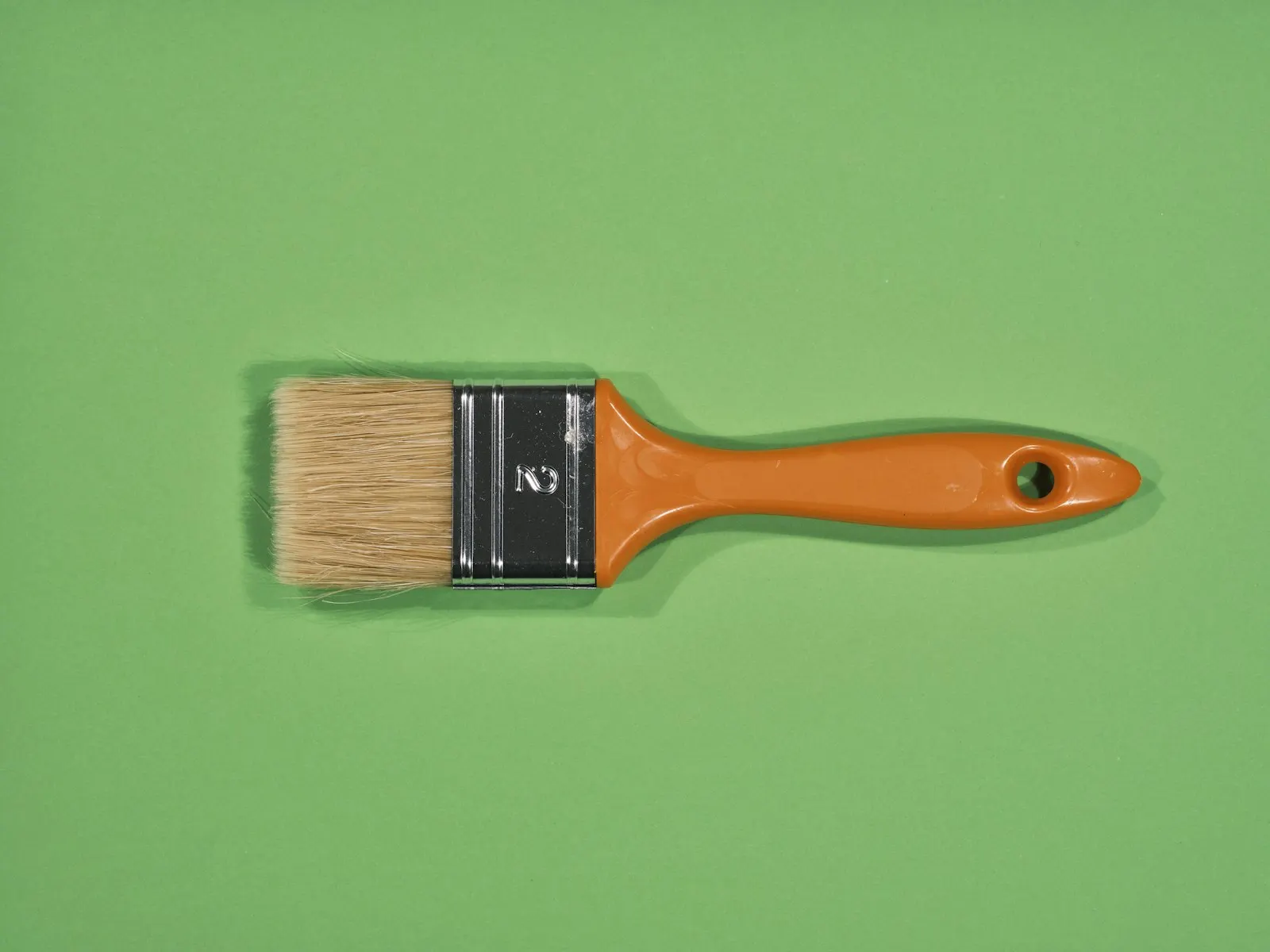
Not every painting job needs a painting crew. Patched walls need painting to blend in. Scuffed hallways, marked doors and chipped skirting look tired. A bathroom ceiling with mould spots, a single feature wall, a laundry or a kid’s bedroom might be all you need done. These small painting jobs are often hard to get a painter to quote for, and they are exactly what we do.
We carry out paint touch-ups and small painting jobs in homes, units, rentals and small commercial spaces across Traralgon, Morwell, Moe, Newborough, Churchill and the surrounding area. We prepare surfaces properly, use quality paints and leave a clean, even finish.
Small painting jobs we do
- Touch-ups after wall repairs. Every patch we do is painted to blend in. See plaster and wall patching.
- Scuffed walls in hallways, stairwells and kids’ rooms
- Doors and door frames, including marks around handles and kick marks at the bottom
- Skirting boards and architraves, filled and repainted
- Ceilings with water stains (after the leak is fixed) or mould spots
- Bathroom and laundry ceilings repainted with mould-resistant paint
- Single rooms, such as a bedroom, study, laundry or toilet
- Feature walls
- Window frames and sills inside, where paint has worn or flaked
- Exterior touch-ups at ground level: front doors, fascia sections reachable from a ladder on single-storey homes, letterboxes, gates and fence sections
- Rental refreshes between tenancies
Larger jobs, such as repainting a whole house interior or exterior, double-storey exteriors and roof painting, are better done by a professional painting business, and we are happy to refer you.
Preparation makes the finish
Most of a good paint finish comes from preparation:
1. Clean. Walls in kitchens, hallways and kids’ rooms carry grease and hand marks that stop paint sticking. We wash surfaces with sugar soap.
2. Repair. Holes, dents and cracks are filled and sanded flush.
3. Sand. Glossy surfaces are scuffed so new paint grips.
4. Spot prime. Patches, bare timber, water stains and some marks need a primer or stain blocker, or they will show through.
5. Mask and protect. Floors, furniture and fittings are covered and edges masked.
6. Paint. Usually two coats with brush and roller, cut in neatly at edges.
7. Clean up. Everything removed, and the room left tidy.
Matching paint
Touch-ups only work well when the paint matches the original colour, sheen and age. That is the hardest part of small painting jobs. Here’s what helps:
- Know the paint. If you have the original paint tin, the colour name or the colour code, it makes matching far easier. Many Valley homes have leftover paint in the garage or shed.
- Colour matching. If not, we can take a small sample (such as a flake from behind a light switch plate) to a paint shop for computer colour matching.
- Sheen. Walls are usually low sheen or matte, trims and doors are often semi-gloss or gloss, and ceilings are usually flat. Using the wrong sheen makes a touch-up obvious even if the colour is right.
- Age. Paint fades and yellows with age and sunlight. Even the exact same paint can look different next to a ten-year-old wall. Often the best result is to repaint the full wall from corner to corner, so any small difference is hidden at the corner.
We will tell you honestly whether a spot touch-up will blend or whether a full wall is the better choice.
Ceilings, stains and mould
Water stains on ceilings will bleed through normal paint unless sealed with a stain-blocking primer first. Always fix the leak first: a roof plumber, plumber or roofer may be needed. Mould on bathroom, laundry and bedroom ceilings is common in the Valley in winter. We clean and treat mould with a suitable mould treatment, let it dry, and repaint with a mould-resistant ceiling paint. If mould keeps coming back, the room probably needs better ventilation, and an electrician can install or upgrade an exhaust fan.
Painting for rentals and sales
Fresh paint is the cheapest way to make a property look good for sale or lease. Between tenancies, a touch-up of high-traffic areas, doors and trims, and the bathroom ceiling makes a property feel cleaner and better cared for. Before a sale, freshly painted hallways, living areas and front doors make a strong first impression in photos and at inspections.
For property managers, we can repaint areas listed in a condition report and send before-and-after photos. Let us know the property’s paint schedule if the owner keeps one.

Paint and older homes
Homes built before 1970 may have lead-based paint on walls, trims and especially doors and windows. Sanding or scraping lead paint creates toxic dust. We do not dry sand old paint that may contain lead. Where lead paint is possible, we use wet methods, encapsulate rather than remove, or recommend testing and a specialist. Lead test kits are available from hardware stores.
Exterior touch-ups
At ground level and ladder height on single-storey homes, we can paint front doors and frames, fascia sections, eaves sections, gates, letterboxes and timber trims. Exterior paint needs dry weather and surfaces that have dried out after rain. In the Latrobe Valley, that means most exterior painting suits late spring to early autumn. Timber exposed to weather may need rotten sections repaired first; see carpentry.
Areas we cover
Painting touch-ups across Traralgon, Morwell, Moe, Newborough, Churchill, Yallourn North, Glengarry, Tyers, Traralgon South and Hazelwood North.
Choosing paint
- Living areas and bedrooms: low sheen washable acrylic is a good balance of looks and cleaning.
- Kitchens, bathrooms and laundries: use a paint designed for wet areas with mould inhibitors.
- Doors and trims: semi-gloss or gloss enamel (water-based enamels are low odour and do not yellow as much as oil-based).
- Ceilings: flat ceiling white hides imperfections; use a mould-resistant ceiling paint in wet areas.
- Kids’ rooms and hallways: choose a scrubbable or stain-resistant wall paint.
Keep a labelled sample of each paint in the shed. Future touch-ups will be much easier.
Why the Valley climate matters for paint
The Latrobe Valley has cool, damp winters with frequent fog, especially in Moe, Morwell and the low-lying parts of Traralgon near the Latrobe River and Traralgon Creek. Summers can be hot and dry, with strong afternoon sun. Both extremes affect paint.
In winter, paint dries slowly and can fail if applied below the temperature recommended on the tin, often around 10 degrees for standard acrylics. Interior painting in winter is fine with the heating on and the room ventilated, but exterior painting is best left until the weather warms up. Condensation on cold walls can also cause surfactant leaching, where sticky brown streaks appear on fresh paint in bathrooms. It washes off with warm water, but it is better avoided by not showering in a freshly painted bathroom for a day or two.
In summer, paint dries too quickly in direct sun and on hot surfaces, causing lap marks and poor adhesion. We paint exterior surfaces in the shade where possible, following the sun around the house.
Sun-exposed north and west walls fade and chalk faster than shaded walls. That is why an exterior touch-up on a north-facing front door may look different from the same paint used on the side of the house.
Doors: the most-touched surface
Doors take more wear than any other painted surface. Hands mark the area around the handle, feet and vacuum cleaners scuff the bottom, and door edges chip where they hit the frame. Repainting both faces and edges of a door, plus the frame, makes a hallway look much fresher. We remove the hardware, fill dents, sand, prime bare areas and paint with a durable enamel. We can also replace the door hardware at the same time; see door repairs.
Feature walls and colour changes
Painting a strong colour over a light wall, or a light colour over a dark wall, usually needs a primer or a tinted undercoat and extra coats for even coverage. Deep colours such as navy, charcoal and forest green look great as feature walls but show roller marks if not applied carefully. We use the right roller nap and technique for the finish.
What a small painting job looks like
Most of our painting jobs take a few hours to two days. A typical rental refresh might be: patching and painting the hallway walls, repainting six doors on one side, touching up skirting through the house and repainting the bathroom ceiling. A typical sale preparation might be: painting the front door, hallway and main living area. Mixing painting with other repairs on the same visit saves time.
Getting a quote
Email photos of the areas, the room sizes if known, and any paint details you have, such as the brand and colour name from an old tin. Let us know if the home was built before 1970. We will reply with a clear scope and quote.
Cleaning painted walls
Most marks on washable acrylic walls can be removed without repainting. Start with a soft cloth and warm water with a little dishwashing liquid, and test in an inconspicuous spot first. Avoid abrasive pads and strong cleaners, which polish the paint and leave a shiny patch that is more noticeable than the original mark. Flat and matte paints are harder to clean, so in high-traffic areas consider repainting with a washable low sheen. If a mark will not come off without damaging the paint, a touch-up is the better option, and we can do that along with other jobs on the same visit.
Crayon, pencil and scuff marks from shoes often lift with a melamine sponge used very gently, but test it first, because it is mildly abrasive.
Frequently asked questions
Will the touch-up match my existing paint?
If we know the original paint, it usually matches well. Sometimes painting the whole wall is the only way to get an invisible result, and we will tell you if that’s the case.
Do you paint whole houses?
No. We do small painting jobs and single rooms, and can refer you to a painter for bigger jobs.
Can you paint over mould?
We clean and treat it first, then use a mould-resistant paint. Ventilation is also important.
Can you fix ceiling water stains?
Yes, once the leak is fixed. We seal the stain with a stain blocker and repaint.
Do you supply the paint?
Either way. We can supply paint or use your leftover paint if it is still good.
Is old paint dangerous?
Paint from before 1970 may contain lead. We avoid dry sanding and recommend testing.
Get a free quote
Send us your list of jobs, your suburb and a few photos. We will reply with a clear written scope and a free, no-obligation quote.
Get a free quote